Table of Content
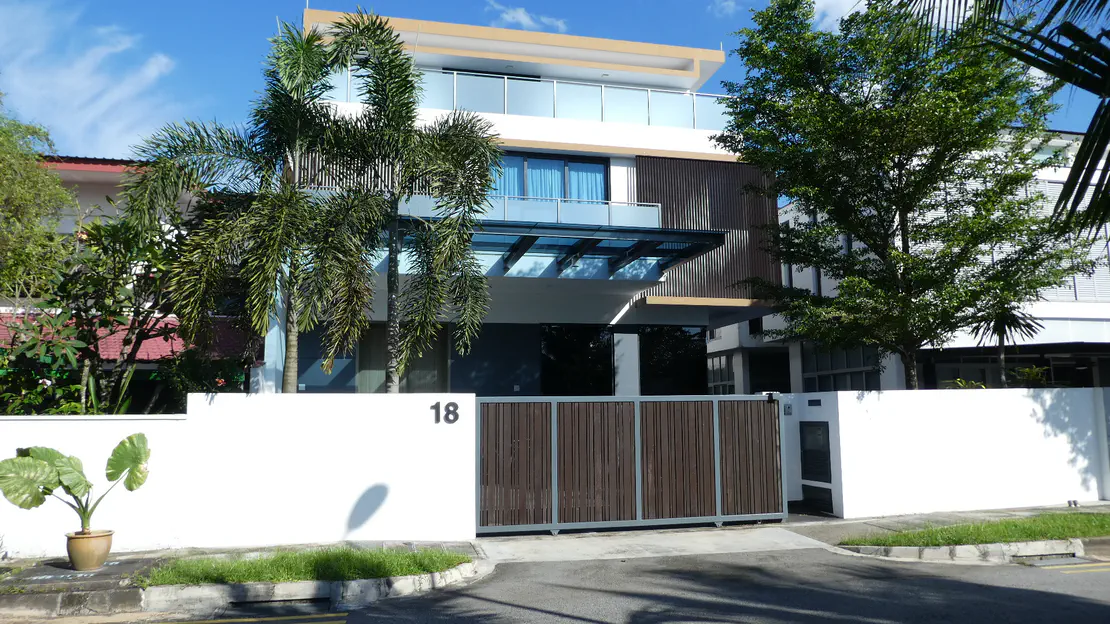
Singapore’s high-end homeowners are increasingly turning to renovation contractors for landed houses to transform their properties into modern sanctuaries that reflect both luxury and functionality. With land being scarce and highly valued, every square foot of a landed property must be optimised for elegance, comfort, and long-term value. Companies such as PCE Build understand that renovating a landed home is not about following generic design rules; it is about curating bespoke solutions tailored to lifestyle, taste, and architectural context.
As you consider elevating your landed house, it is important to explore the renovation trends shaping today’s most coveted residences. These insights will help you work effectively with your chosen renovation contractor in Singapore to create a home that is timeless, future-proof, and undeniably luxurious.
Key Takeaways
- Luxury landed house renovations in Singapore focus on blending modern elegance with functional living.
- Sustainability and smart home integration are becoming non-negotiable for discerning homeowners.
- Multi-purpose layouts maximise limited land while enhancing lifestyle experiences.
- The choice of a skilled renovation contractor for a landed house in Singapore directly affects quality and resale value.
- Personalised design, such as bespoke finishes, ensures the home reflects the owner’s unique identity.
The Top 5 Luxury Renovation Trends for Landed Homes in Singapore
1. Wellness-Centric and Biophilic Design
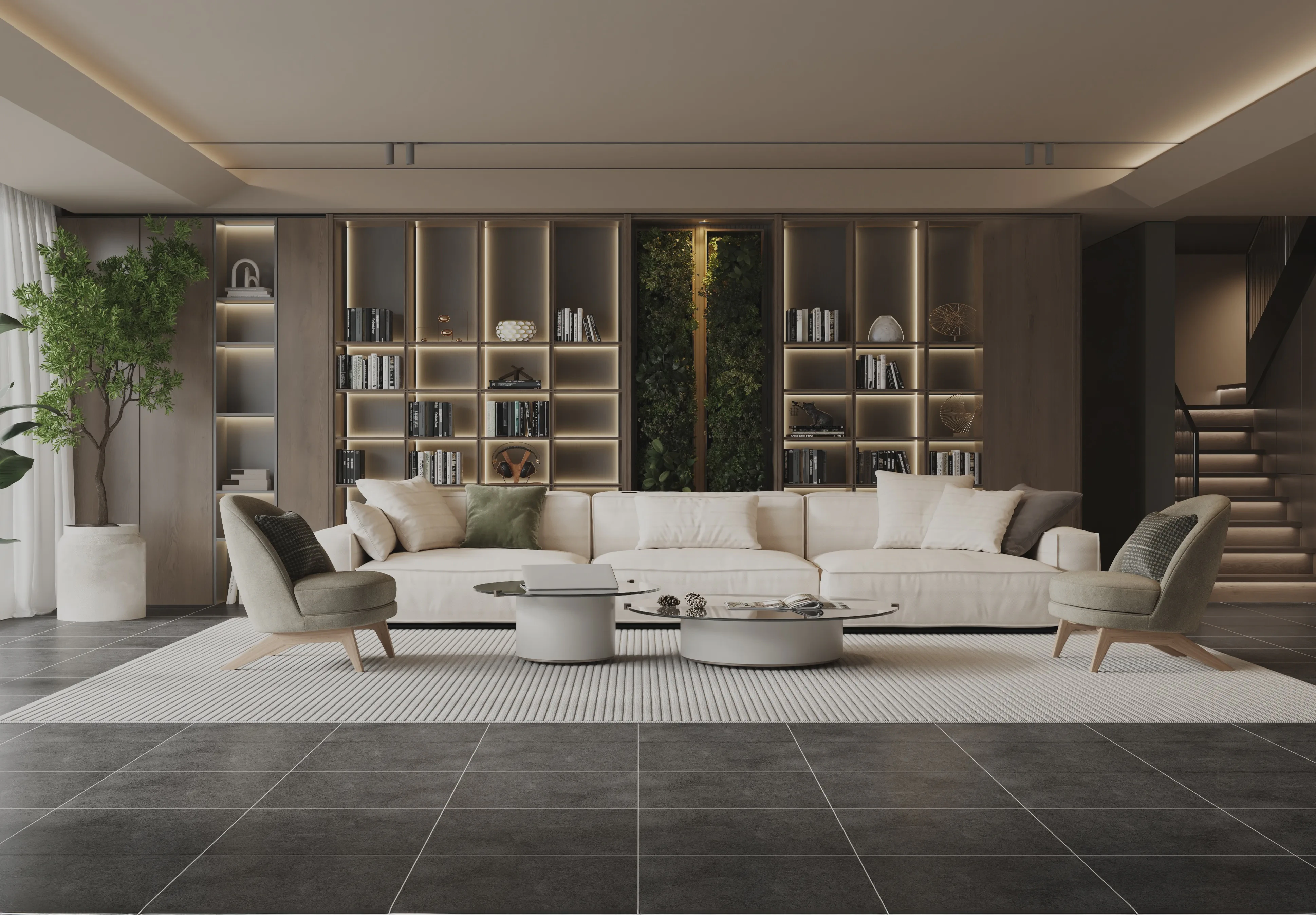
Luxury landed homes in Singapore are increasingly being designed with wellness at the core. Homeowners are blending biophilic elements with spa-like features and active lifestyle spaces, creating sanctuaries that support both physical and mental well-being. These designs encourage relaxation, rejuvenation, and a strong connection with nature.
Features to Include
- Indoor gardens and vertical green walls that act as natural air purifiers while providing a soothing visual backdrop.
- Integrated water features such as koi ponds, reflecting pools, or cascading indoor waterfalls to bring tranquillity into daily living.
- Spa-inspired bathrooms with soaking tubs, steam showers, and natural stone finishes to promote relaxation at home.
- Fitness and wellness zones, from private gyms and yoga studios to meditation alcoves designed for quiet retreat.
- Floor-to-ceiling glass doors and skylights that flood interiors with natural light and extend living spaces into landscaped gardens.
- Cross-ventilation systems and organic materials like timber, bamboo, and stone to create a breathable, toxin-free environment.
- Transitional outdoor living areas—covered patios or terraces with retractable glass walls—that offer flexible spaces for both leisure and entertaining.
- Double-volume atriums that introduce dramatic daylighting while enhancing the sense of openness and calm.
Working with an experienced renovation contractor in Singapore ensures these elements are implemented without compromising structural integrity or privacy.
2. Smart Home Integration and Future-Proofing

Smart home technology is no longer considered futuristic—it is now essential in luxury homes. From climate control to automated security, a connected home enhances convenience while safeguarding high-value properties.
Applications for Landed Homes
- Integrated lighting, blinds, and climate systems controlled via mobile devices or voice assistants.
- AI-powered security systems with motion sensors, facial recognition, and remote monitoring for peace of mind while travelling.
- Energy-efficient solutions such as smart thermostats, solar energy storage, and predictive cooling systems that reduce utility costs while maintaining luxury standards.
- Smart kitchen appliances, from refrigerators that track groceries to ovens pre-programmed for gourmet recipes.
- Automated irrigation systems that monitor weather patterns and water landscaped gardens efficiently.
- Whole-home audio and entertainment systems synchronised across multiple rooms or outdoor areas for seamless hosting.
- Health and wellness tech, including air quality monitors, circadian lighting that aligns with natural body rhythms, and water filtration systems.
- Electric vehicle (EV) charging stations integrated into garages, future-proofing the home for sustainable transportation.
- Centralised control hubs or apps that allow homeowners to manage all systems in one place rather than juggling multiple platforms.
3. Sustainable and Eco-Luxury Materials
Sophisticated homeowners in Singapore are aligning luxury with sustainability. High-end renovations increasingly feature eco-friendly materials that reduce environmental impact without sacrificing elegance.
Examples of Sustainable Luxury Materials
- FSC-certified hardwood for flooring, ensuring timber is sourced responsibly.
- Low-VOC paints and finishes for healthier indoor air quality.
- Energy-efficient windows with advanced thermal insulation and UV protection.
- Recycled glass countertops that are durable, elegant, and available in a range of custom colours.
- Bamboo flooring or cabinetry, known for rapid renewability and a sleek finish.
- Reclaimed wood feature walls that add character while reducing demand for new lumber.
- Natural stone alternatives such as engineered quartz, which mimic marble or granite without excessive mining.
- Insulation made from recycled materials (like denim or wool) that improves energy efficiency discreetly.
- Solar roof tiles or panels designed to blend into the property’s architecture.
- Water-saving fixtures, such as low-flow taps and dual-flush toilets with elegant finishes.
- Eco-friendly composite decking for outdoor areas, offering durability with reduced environmental impact.
- Sustainably sourced textiles like organic cotton drapes or hemp upholstery for interiors.
4. Multi-Functional Luxury Spaces
Maximising Every Square Foot
With limited land in Singapore, luxury homeowners are rethinking how every square foot is used. Adaptability and flexibility are key—designs incorporate open-plan layouts, modular furniture, and multipurpose zones that seamlessly shift between private retreats and social spaces. The result is a home that feels expansive, versatile, and tailored to both everyday living and special occasions.
Examples of Multi-Functional Areas
- Open-plan layouts with sliding or retractable partitions, allowing living and dining areas to expand for entertaining or contract for intimacy.
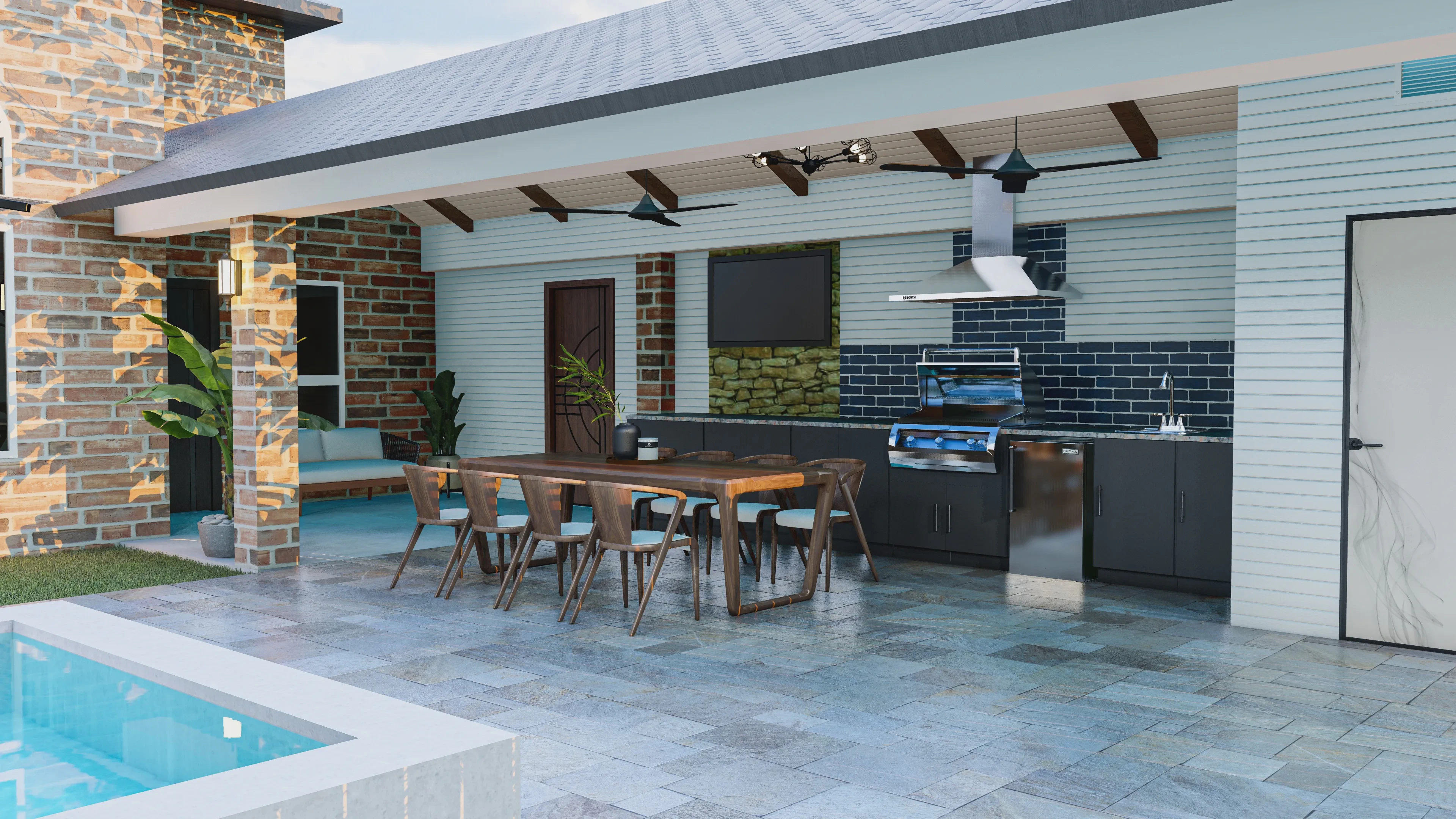
- Outdoor patios doubling as kitchens and entertainment hubs, equipped with grills, pizza ovens, and lounge seating.
- Basements transformed into wine cellars, private cinemas, or entertainment lounges with acoustic design.
- Guest rooms with Murphy beds, serving as home offices or study spaces when not in use.
- Attics redesigned into gyms, children’s playrooms, or reading nooks, optimising previously unused space.
- Kitchens with extendable dining tables or breakfast bars, functioning as both casual and formal dining zones.
- Living rooms integrated with concealed cinemas, where projectors and sound systems are hidden to keep the design sleek.
- Bathrooms designed with spa-inspired features, doubling as wellness retreats with saunas or steam showers.
- Garages converted into hybrid spaces—luxury car showcases combined with bars, art galleries, or workshops.
- Roof terraces reimagined as sky gardens, yoga decks, or entertainment areas, adding greenery and outdoor lifestyle value.
5. Opulent Materials and Statement Spaces
Beyond Standard Renovations
Luxury living today is defined by bold materials, custom craftsmanship, and curated statement areas. High-end homeowners are investing in opulent finishes—marble, velvet, gold accents, and bespoke carpentry—that not only elevate everyday spaces but also create unforgettable focal points. These touches transform a home into a reflection of prestige and personal taste.
What This Looks Like
- Grand entrances featuring chandeliers, marble flooring, and dramatic ceiling treatments that set the tone of opulence.
- Designer kitchens with hidden appliances, chef-grade finishes, and custom cabinetry for seamless functionality.
- Expansive walk-in wardrobes tailored for collections of watches, handbags, or jewellery, complete with bespoke lighting and storage.
- Hand-selected marble slabs and artisanal tiles used as countertops, feature walls, or statement flooring.
- Exclusive lighting fixtures commissioned from local or international designers to create signature focal points
- Custom staircases designed as sculptural centrepieces, from floating glass steps to wrought-iron artistry.
- Private galleries or display rooms showcasing fine art, antiques, or cultural artefacts.
- Luxury bathroom sanctuaries with carved stone tubs, spa-inspired showers, and gold-accented fittings.
- Designer furniture pieces crafted in collaboration with artisans, ensuring a perfect fit and unique aesthetic.
Cost vs. Value of Luxury Renovation Features
When planning a high-end renovation, homeowners often weigh lifestyle benefits against long-term property value. Working with an experienced renovation contractor for a landed house in Singapore ensures that each investment not only enhances day-to-day living but also strengthens the home’s market appeal. Below is a snapshot of common luxury features, their estimated cost, and how they contribute to both lifestyle and resale value.
| Renovation Feature | Approx. Investment (SGD) | Lifestyle Benefit | Resale Value Impact |
|---|---|---|---|
| Smart home automation | 30,000 – 80,000 | Convenience, security, energy savings | High – buyers now expect integrated tech |
| Outdoor entertainment area | 50,000 – 120,000 | Expanded hosting & social lifestyle | Medium to High, depending on upkeep |
| Bespoke walk-in wardrobe | 25,000 – 70,000 | Personalisation, luxury lifestyle | Medium, attracts style-conscious buyers |
| Eco-luxury windows & roofing | 40,000 – 100,000 | Comfort, energy efficiency | High – lowers long-term costs |
| Wine cellar or private gym | 80,000 – 150,000 | Exclusive lifestyle enhancement | Niche appeal, but premium positioning |
Creating a Timeless Landed Home with the Right Renovation Contractor
High-end homeowners in Singapore know that luxury is not about excess but about creating harmony between function, aesthetics, and personal identity. Selecting the right renovation contractor for landed houses in Singapore ensures these trends are realised to the highest standards. A professional contractor provides not only technical expertise but also project management skills, ensuring smooth delivery of complex renovations.
If you are considering elevating your home with bespoke renovation solutions, explore how PCE Build can partner with you to achieve a design that balances sophistication with practicality.
Frequently Asked Questions
What is the average renovation timeline for a luxury landed house in Singapore?
The duration varies depending on the scope. A full-scale luxury renovation can take 6–12 months, while partial projects like a kitchen or bathroom upgrade may take 8–12 weeks. Proper planning with your contractor ensures accurate scheduling.
Do I need planning permission for extensive landed house renovations?
Yes. Major renovations involving structural changes or extensions require approval from the Urban Redevelopment Authority (URA) and the Building and Construction Authority (BCA). A qualified renovation contractor will manage these applications for you.
How much should I budget for a high-end landed house renovation?
Luxury renovations typically start from SGD 500,000 and can exceed SGD 2 million depending on scope, finishes, and technology integration. Always allocate a 10–15% contingency fund for unexpected adjustments.
Can older landed houses be modernised without losing their charm?
Absolutely. Many homeowners choose to preserve original architectural features, such as heritage façades, while upgrading interiors with modern conveniences. Contractors skilled in heritage-sensitive renovations strike the right balance.
What sets a top renovation contractor apart from the rest?
Attention to detail, ability to coordinate multiple specialists, and proven experience with high-value projects distinguish the best contractors. Reviews, portfolios, and client testimonials are strong indicators of reliability.