Table of Content
Sustainable landed house design in Singapore is rapidly transforming how homeowners build and live. A case in point is a survey by PropertyGuru, which shows that 58% of Singaporeans are willing to invest in a sustainable home. As climate change and urban challenges intensify, designing eco-friendly landed homes is no longer optional; it is essential.
This article explores practical sustainable design strategies tailored for Singapore’s unique tropical climate and regulatory landscape. Whether you’re building new or renovating, these insights will help you create a greener, more resilient landed property that benefits both your family and the planet.
Why Sustainable Landed House Design Matters in Singapore
Growing Demand for Landed Homes in Singapore
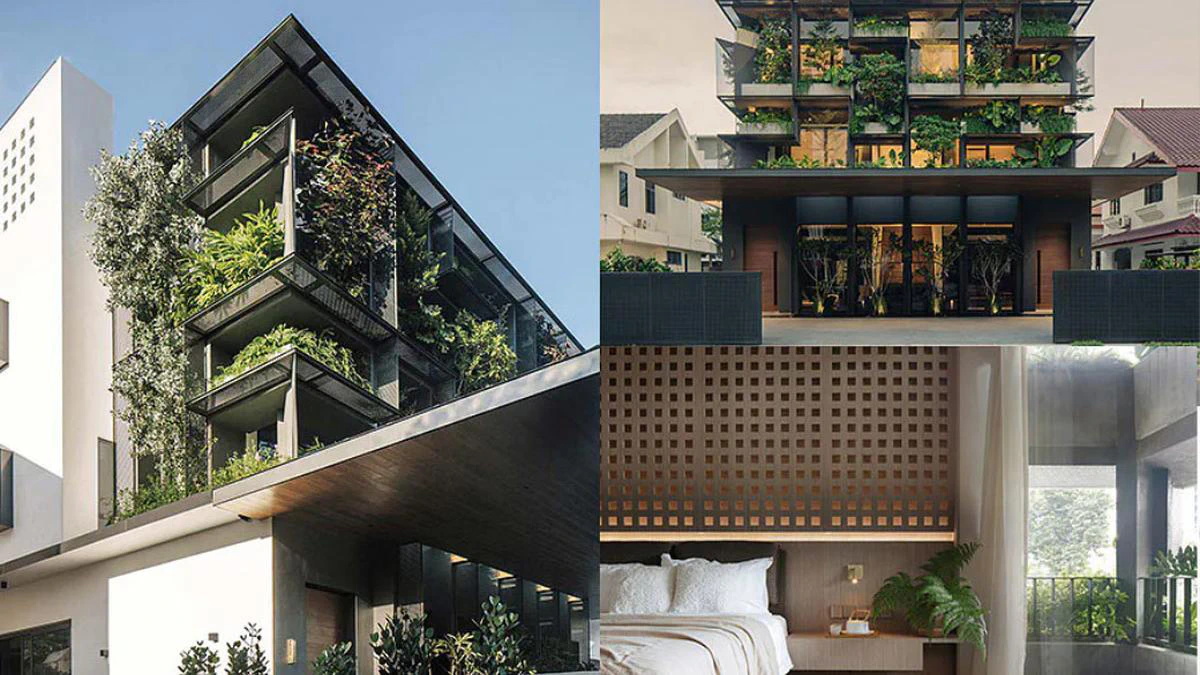
Landed properties remain one of the most sought-after housing types in Singapore, offering privacy, space, and the freedom to customise. But with 7 out of 10 Singaporean consumers feel that sustainability is important, according to Singlife’s Sustainable Future Index, today’s homeowners are prioritising sustainability alongside luxury. They’re rethinking how their homes impact the planet and their long-term investment. An increasing number of buyers in Singapore value sustainable home design.
- Demand is rising for eco-conscious renovations and new builds.
- Landed properties offer the best canvas for sustainable innovation.
Climate Challenges Are Redefining Home Design
Singapore faces mounting environmental pressures, including:
- Rising urban temperatures (Urban Heat Island effect)
- More frequent extreme weather events due to climate change
- Higher energy and water demands from residential housing
These challenges make eco homes in Singapore not just ideal, but necessary.
Why Sustainable Design Is the Smarter, Future-Proof Choice
Homeowners and developers are turning to green architecture in Singapore to:
- Reduce long-term utility costs through energy-efficient systems
- Enhance natural ventilation and lighting with smart design layouts.
- Enhance comfort without relying heavily on air conditioning.
- Utilise eco-friendly materials to enhance indoor air quality.
- Ensure long-term property value through future-proofing
Green living isn’t just an environmental statement. It’s a design philosophy that makes practical, financial, and ethical sense.
Key Elements of Sustainable Landed House Design
Designing a truly sustainable landed home in Singapore requires an integrated approach, one that balances architectural intelligence with environmental responsibility. Below are the foundational principles that define modern, eco-conscious landed housing.
Energy-Efficient Floor Plans and Orientation
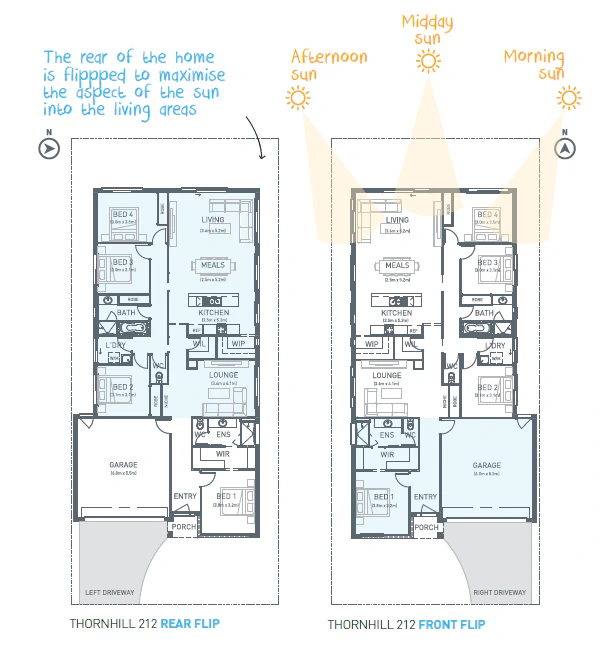
At the core of any energy-efficient home design is the orientation and layout of the house. Floor plans that respond to Singapore’s tropical climate can significantly reduce energy consumption while enhancing comfort and well-being.
Strategies to enhance energy efficiency:
- Maximise natural light by orienting living spaces to the north and south to reduce direct heat gain from the harsh east-west sun
- Strategic window placement promotes cross-ventilation, reducing reliance on mechanical cooling.
- Open floor concepts facilitate air movement and distribute daylight throughout interior zones.
- Incorporate shading devices, such as louvres and overhangs, to block heat but allow airflow.
Eco-Friendly Building Materials
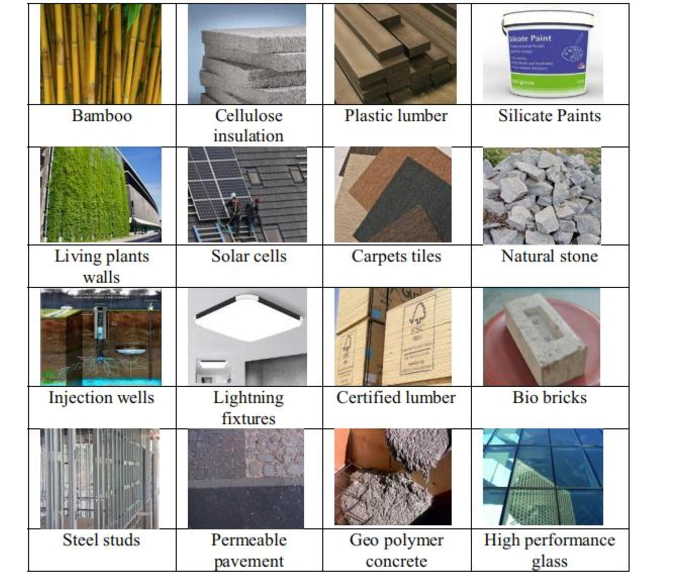
The material choice directly affects a home’s carbon footprint, indoor air quality, and long-term maintenance costs. In Singapore, sustainable design increasingly favours eco-friendly materials that are durable and suited to the local climate.
Recommended eco-conscious materials:
- Recycled timber and composite wood for floors and structural elements
- Low-VOC (Volatile Organic Compounds) paints and adhesives to improve indoor air quality
- Bamboo and engineered timber, which are renewable and fast-growing
- Locally sourced materials, which reduce emissions from transportation and support the regional economy
Look for materials certified by the Singapore Green Building Product (SGBP) certification scheme for verified sustainability claims.
Insulation and Passive Cooling Techniques
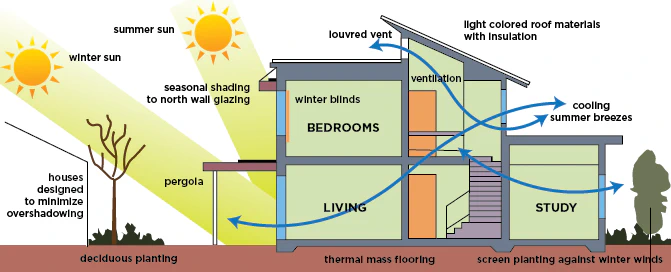
A well-designed passive cooling house in Singapore stays cooler with less energy. Proper insulation and design choices can significantly reduce indoor temperatures without the need for air conditioning.
Key features to integrate:
- Green roofs and roof gardens for natural insulation and stormwater absorption
- High-performance thermal insulation in walls and roofing to reduce heat gain
- Solar-reflective roofing materials to deflect radiant heat
- Deep eaves, vertical fins, or pergolas to create natural shading and reduce solar penetration
By thoughtfully combining orientation, material selection, and passive cooling, homeowners can create energy-efficient, climate-responsive homes that are both luxurious and sustainable.
Smart and Green Technology Integration for Sustainable Landed Homes
Integrating smart home systems is a practical step toward reducing a home’s energy footprint. For landed house design in Singapore, combining smart technology with green energy solutions creates a powerful harmony that enhances both sustainability and day-to-day comfort.
Smart Home Automation: Reduce Energy Waste, Enhance Convenience
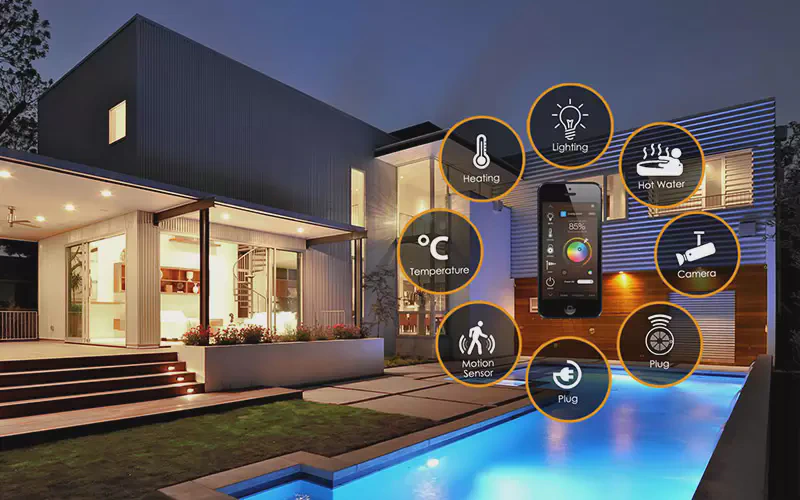
A well-designed smart home in Singapore does more than control lights with your phone. It automates your home’s energy use with precision.
Key smart systems that drive sustainability:
- Motion-sensor lighting and timers to eliminate unnecessary electricity use
- Automated blinds and windows that respond to temperature and sunlight
- Smart thermostats and climate control to adjust cooling systems based on occupancy or time of day
- Integration with voice assistants and mobile apps for remote control and real-time adjustments
Solar Energy and Renewable Integration
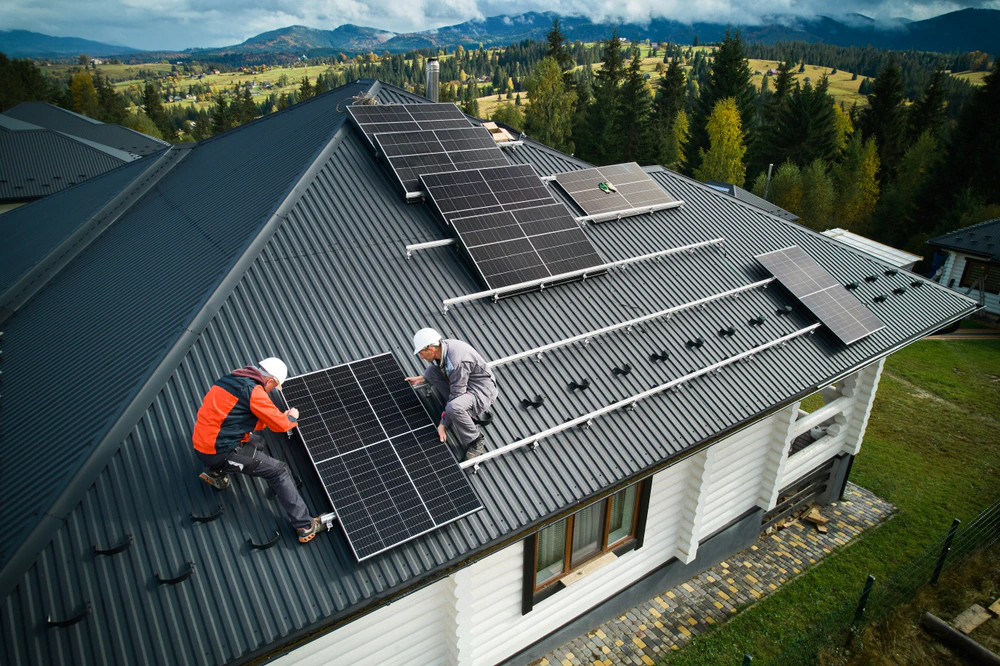
For landed homes, installing solar energy systems is increasingly viable due to larger roof space and government incentives.
Benefits of solar power in Singapore’s climate:
- Year-round sunshine makes solar energy for landed houses in Singapore highly efficient
- Solar panels can be paired with battery storage systems for maximum energy independence.
- Reduced reliance on grid electricity lowers carbon footprint and long-term utility bills.
Real-Time Energy Monitoring for Smarter Decisions
Energy-efficient systems aren’t complete without visibility into usage.
Tools that help:
- Home energy management systems (HEMS) to track consumption by appliance or zone
- Real-time alerts to flag inefficiencies or spikes in energy use
- Integration with mobile apps for monitoring, scheduling, and goal-setting
Smart technology empowers homeowners to be proactive, rather than reactive, making sustainability a seamless part of everyday living.
Water Efficiency and Sustainable Landscaping
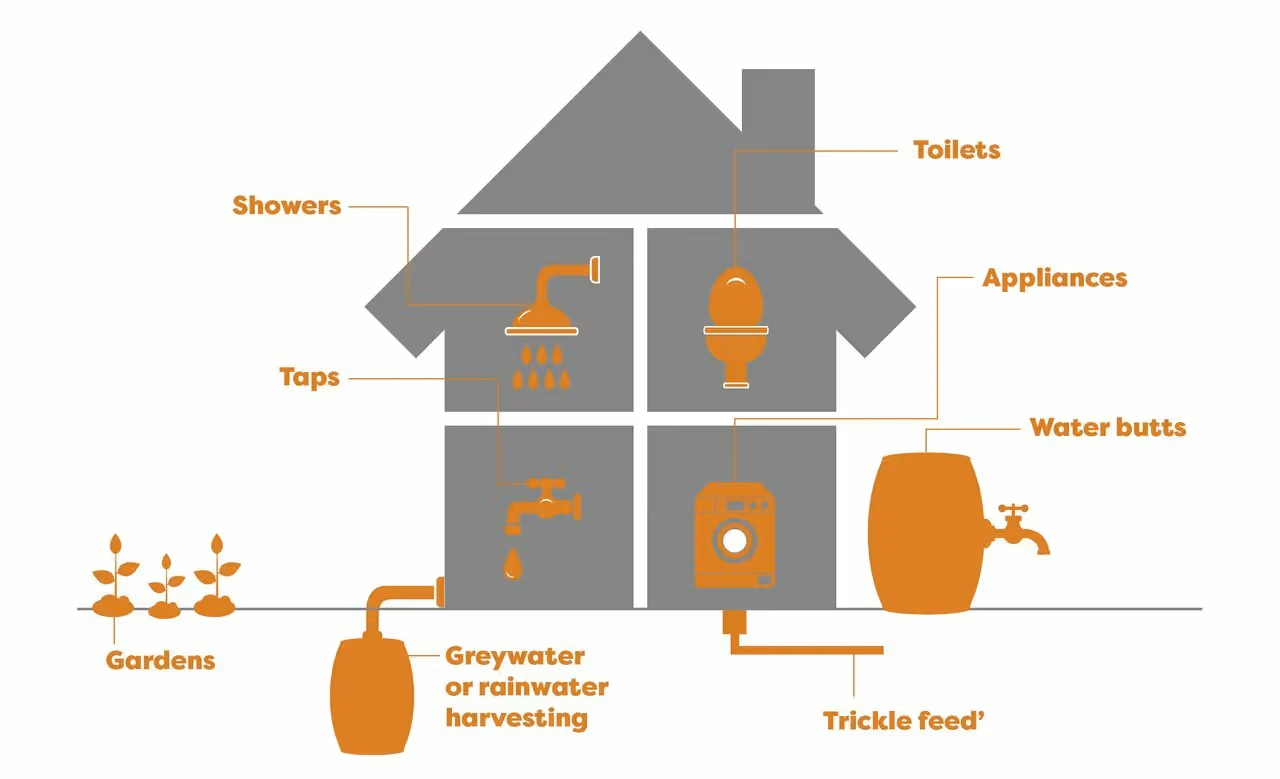
In land-scarce and climate-sensitive Singapore, water sustainability is just as critical as energy efficiency. For water-saving homes in Singapore, incorporating smart water management systems and eco landscaping not only reduces utility bills but also enhances resilience during dry spells or heavy rainfall.
Rainwater Harvesting & Greywater Recycling
One of the most effective strategies in landed home design is capturing and reusing water that would otherwise go to waste.
Rainwater harvesting in Singapore is gaining traction among homeowners who want to:
- Collect rainwater for non-potable uses like garden irrigation, car washing, or toilet flushing
- Reduce reliance on PUB-supplied water, leading to lower water bills.
- Store excess water safely using compact underground tanks or wall-mounted systems.
Greywater recycling takes it a step further by treating used water from sinks, showers, or laundry:
- Useful for irrigation or flushing systems
- Helps cut household water consumption by up to 30%
Low-Maintenance, Native Landscaping
Sustainable landscaping is not just aesthetically pleasing. It also plays a functional role in climate adaptation and water conservation.
Eco landscaping in Singapore involves:
- Using native or drought-tolerant plants that require less watering and maintenance
- Installing vertical gardens or green walls to optimise greenery in tight urban plots
- Applying permeable paving (e.g., gravel, grass pavers) that allows rainwater to seep into the ground, reducing flood risk and promoting natural drainage.
By designing outdoor spaces that support water efficiency, homeowners build resilience against climate extremes while reducing maintenance demands.
Regulations and Green Building Certifications in Singapore
Building a sustainable landed home in Singapore is not only a personal commitment to the environment but also a significant investment in the future. Moreover, it is a process guided by national frameworks that ensure high standards in eco-friendly design and construction. Homeowners should be familiar with both BCA’s Green Mark certification and URA’s planning guidelines to make informed, future-ready choices.
BCA Green Mark Certification for Landed Homes

The Green Mark certification in Singapore, developed by the Building and Construction Authority (BCA), sets benchmarks for environmental sustainability across building types, including landed properties.
Key benefits of Green Mark for homeowners:
- Recognition for adopting energy-efficient systems, water-saving fixtures, and sustainable materials
- Potential for long-term savings on utilities and maintenance
- Boosts property value through green credentials and market appeal
To qualify, homes must demonstrate performance in areas such as thermal comfort, ventilation, lighting efficiency, and energy use.
URA Guidelines and Sustainability Compliance
The Urban Redevelopment Authority (URA) provides planning and design guidelines for all landed developments. While not all sustainability features are mandated, compliance with BCA building guidelines ensures your home is both code-compliant and environmentally responsive.
Homeowners should consider:
- Building setback, height, and site coverage requirements
- Integration of green features like green roofs or solar panels without breaching regulations
Government Incentives and Rebates
To encourage adoption, Singapore offers various incentives for green building practices, including:
- Grants for energy-saving installations (e.g., solar PV systems)
- Rebates or support under programmes like the Green Mark Incentive Scheme
Staying informed on sustainable housing regulations in Singapore is essential for building a green home that’s compliant, cost-effective, and future-proof.
Cost vs. Value: Is Sustainable Design Worth It?
When considering the cost of renovating a landed house in Singapore, many homeowners initially hesitate at the perceived premium for sustainable features. Integrating eco-friendly materials, energy-efficient systems, and green technologies can indeed increase upfront costs compared to conventional builds. However, this initial investment often pays dividends in the medium to long term.
Short-Term Costs vs. Long-Term Savings
Sustainable design elements, such as solar panels, superior insulation, and rainwater harvesting, can add 5% to 15% to construction or renovation budgets. Yet, these costs are offset by:
- Reduced utility bills due to lower electricity and water consumption
- Lower maintenance expenses thanks to durable, high-quality materials
- Enhanced indoor comfort leading to better occupant wellbeing
Over time, the cumulative savings often surpass initial outlays, making green homes more economical.
Impact on Resale Value and Market Appeal
In Singapore’s competitive property market, eco-conscious buyers increasingly seek homes with sustainability credentials. Studies show that eco-friendly homes can command a price premium of 5% to 10%. Homes boasting certifications like BCA Green Mark often sell faster and at higher prices.
Return on Investment (ROI) of Green Features
Investing in sustainability delivers tangible ROI by:
- Improving energy efficiency, lowering running costs
- Future-proofing homes against tightening building regulations
- Elevating property desirability among a growing segment of environmentally-aware buyers
Ultimately, while landed house renovation costs in Singapore for green upgrades may be higher upfront, the long-term financial, environmental, and lifestyle benefits make sustainable design a smart and responsible choice.
Practical Tips for Homeowners Planning a Green Landed House
Planning a sustainable landed home in Singapore requires a holistic strategy and expert guidance to ensure your green vision translates into lasting benefits. Here are essential tips to help you navigate this process effectively.
Engage with Experienced Green Architects in Singapore
Partnering with a landed property architect in Singapore who specialises in sustainable design is crucial. These professionals are well-versed in local climate challenges, regulatory requirements, and innovative green technologies. A skilled architect can:
- Develop energy-efficient floor plans that maximise natural light and ventilation
- Specify eco-friendly materials suitable for tropical conditions in Singapore.
- Integrate smart systems and passive cooling techniques seamlessly into your home design.
Set a Sustainable Budget and Prioritise Wisely
While green upgrades can increase initial costs, setting a realistic eco home planning Singapore budget allows you to prioritise investments with the greatest impact:
- Focus on durable, low-maintenance materials that offer long-term savings
- Invest in energy-efficient systems, such as solar panels and smart home automation.
- Consider phased renovations if upfront costs are a concern, tackling key sustainability features first.
Obtain Professional Sustainability Audits
Before finalising designs or renovations, commission a sustainability audit to identify opportunities and risks. Experts can:
- Assess your site’s solar potential and ventilation patterns
- Recommend cost-effective strategies to reduce water and energy consumption.
- Verify compliance with the Green Mark certification criteria in Singapore.
By following these green home renovation tips, homeowners in Singapore can ensure their landed homes are environmentally responsible, comfortable, and future-proofed.
Frequently Asked Questions
What is sustainable landed house design in Singapore?
Sustainable landed house design in Singapore focuses on creating energy-efficient homes that minimise environmental impact through natural ventilation, eco-friendly materials, solar energy, and water-saving systems suited to the tropical climate.
How much does it cost to build a sustainable landed house in Singapore?
Building a sustainable landed house in Singapore can cost 5% to 15% more upfront than traditional homes, depending on the green features included. Still, long-term savings on energy, water bills, and maintenance offset these costs.
What are the benefits of Green Mark certification for landed homes?
Green Mark certification recognises energy-efficient and environmentally friendly building practices, offering homeowners benefits like lower utility costs, higher resale value, and compliance with Singapore’s sustainable housing regulations.
What are the most eco-friendly materials for landed homes in Singapore?
The best eco-friendly materials for landed homes in Singapore include recycled timber, low-VOC paints, bamboo, and locally sourced products that reduce the carbon footprint and improve indoor air quality.
How can I improve water efficiency in my landed house?
Water efficiency can be improved by installing rainwater harvesting systems, greywater recycling, using drought-tolerant native plants for landscaping, and applying permeable paving to enhance natural drainage.