Table of Content
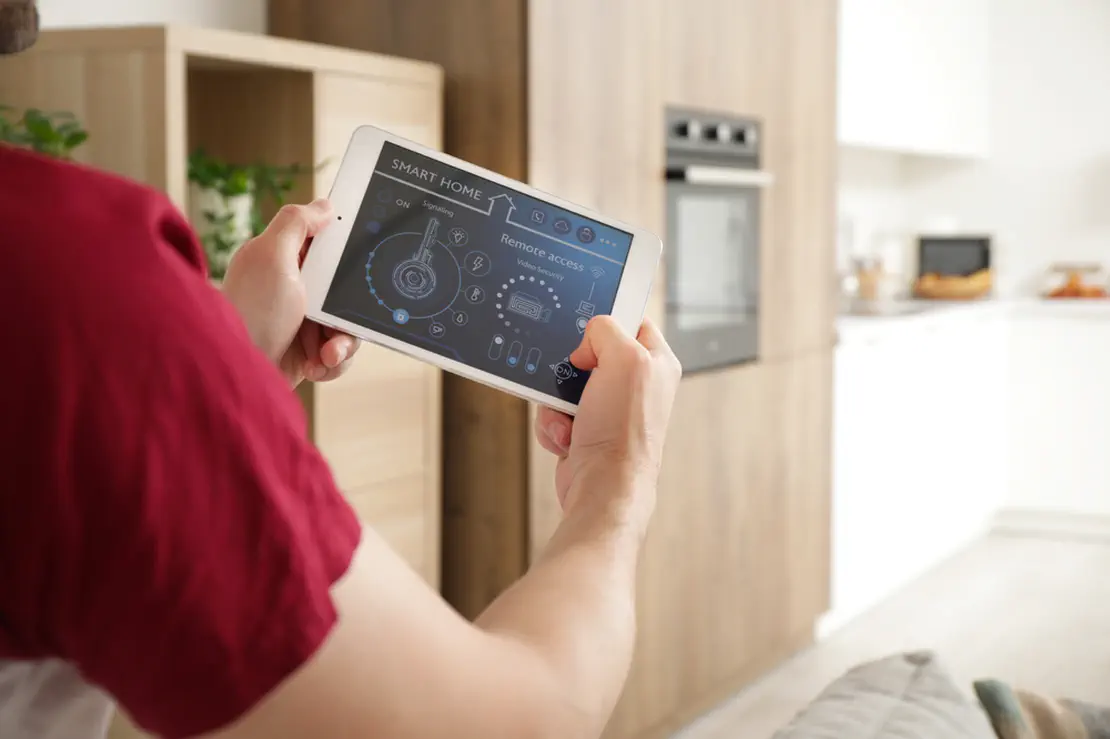
Landed house design in Singapore has transformed from traditional architecture into a sophisticated blend of modern aesthetics and intelligent functionality. It is projected that 86.2% of Singaporean households will adopt smart home technology by 2025. With the rising trend, homeowners are increasingly integrating automation into their everyday lives, enhancing comfort, energy efficiency, and security.
Whether it’s voice-controlled lighting, remote access systems, or climate automation, innovative features are redefining what it means to live well. Today’s landed house design in Singapore isn’t just about space. It’s about creating a connected, future-ready environment. In this article, we explore how smart home integration is revolutionising landed homes across Singapore, where convenience meets innovation without compromising on design.
Key Takeaways
- Smart home integration enhances landed house design in Singapore by improving convenience, energy efficiency, and security through automated lighting, climate control, and advanced monitoring systems.
- Future-proof homes in Singapore incorporate scalable smart technologies that adapt to evolving lifestyle needs and emerging innovations, protecting long-term property value.
- Successful smart home implementation requires careful planning, including consideration of device compatibility, upfront costs, and collaboration with certified consultants to ensure seamless and reliable automation.
Why Smart Home Integration Matters for Landed Properties
Landed Homes as Long-Term Investments
Landed properties in Singapore are among the most valuable types of real estate, not only due to their size and exclusivity, but also because of their long-term appreciation potential. Integrating smart home features enhances both liveability and resale value.
- Higher market appeal for future buyers
- Flexible renovation options allow for tech retrofitting.
- Greater opportunity for full-home automation scalability
The Rise of Home Automation in Singapore
With 96% internet penetration, Singaporeans are highly digitally connected. Therefore, there’s a growing appetite for home automation solutions in Singapore as tech-savvy homeowners prioritise convenience, control, and energy savings. Smart home technology is no longer considered a luxury; it has become a standard.
- Increased adoption of smart lighting, air conditioning, and voice assistants
- Demand for centralised control through apps and smart hubs
- Rising number of certified smart home consultants and installers in Singapore
Future-Proofing Landed Homes Through Smart Upgrades
Smart features help create future-proof homes in Singapore. Residences that adapt to technological advances and lifestyle changes.
- Easily upgradable systems (e.g., modular lighting, security, HVAC)
- Integration with future renewable energy sources
- Compatibility with evolving IoT standards and platforms
Energy Efficiency and Lifestyle Convenience
Smart homes optimise both sustainability and everyday comfort. Automation empowers landed homeowners to take control of their environment.
- Programmable climate control reduces energy waste.
- Automated blinds and lighting adapt to usage patterns.
- Remote monitoring enhances peace of mind when away
By embracing smart home integration, landed homeowners not only modernise their space, but they also invest in long-term efficiency, convenience, and value.
Smart Home Essentials for Landed House Design
Smart home technology is redefining how landed properties function, moving beyond convenience into the realms of energy efficiency, security, and aesthetic coherence. To build a truly intelligent home, integration must be strategic and deliberate. Below are four core components every future-ready landed property should include.
Smart Lighting Systems
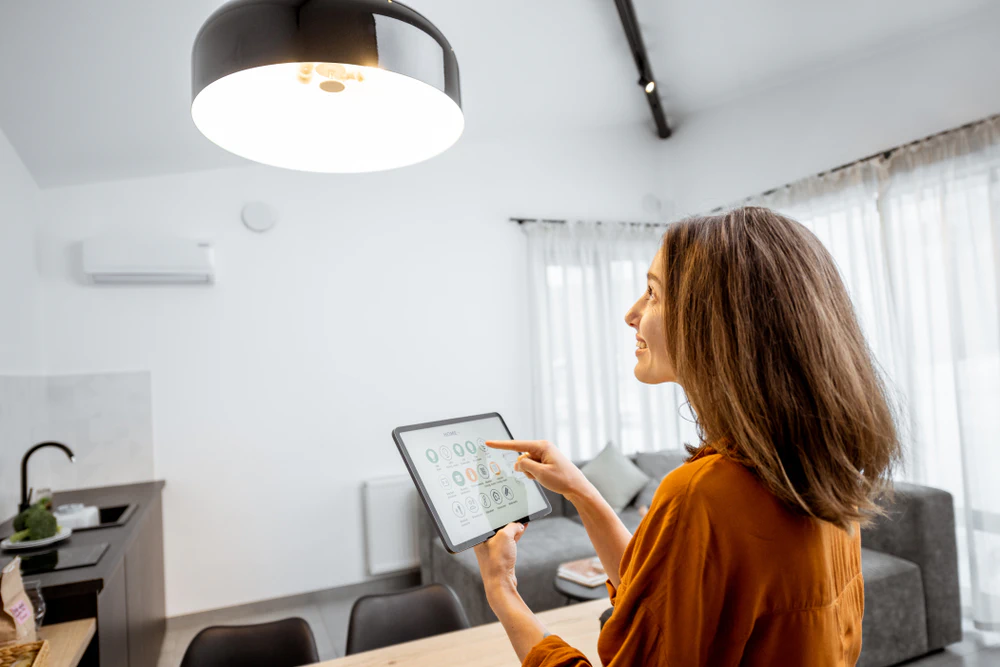
Lighting plays a vital role in setting the tone for any living space, and in a smart home, it becomes both functional and responsive.
- Customisable lighting schedules adapt to your routines, from morning wake-ups to evening ambience.
- Motion sensors and voice control reduce energy waste and increase accessibility for all household members.
- Smart lighting for homes enhances architectural features while lowering electricity bills through dimming and automation.
In landed homes where design and comfort must coexist, smart lighting delivers control, efficiency, and atmosphere in one elegant package.
Climate and Energy Control
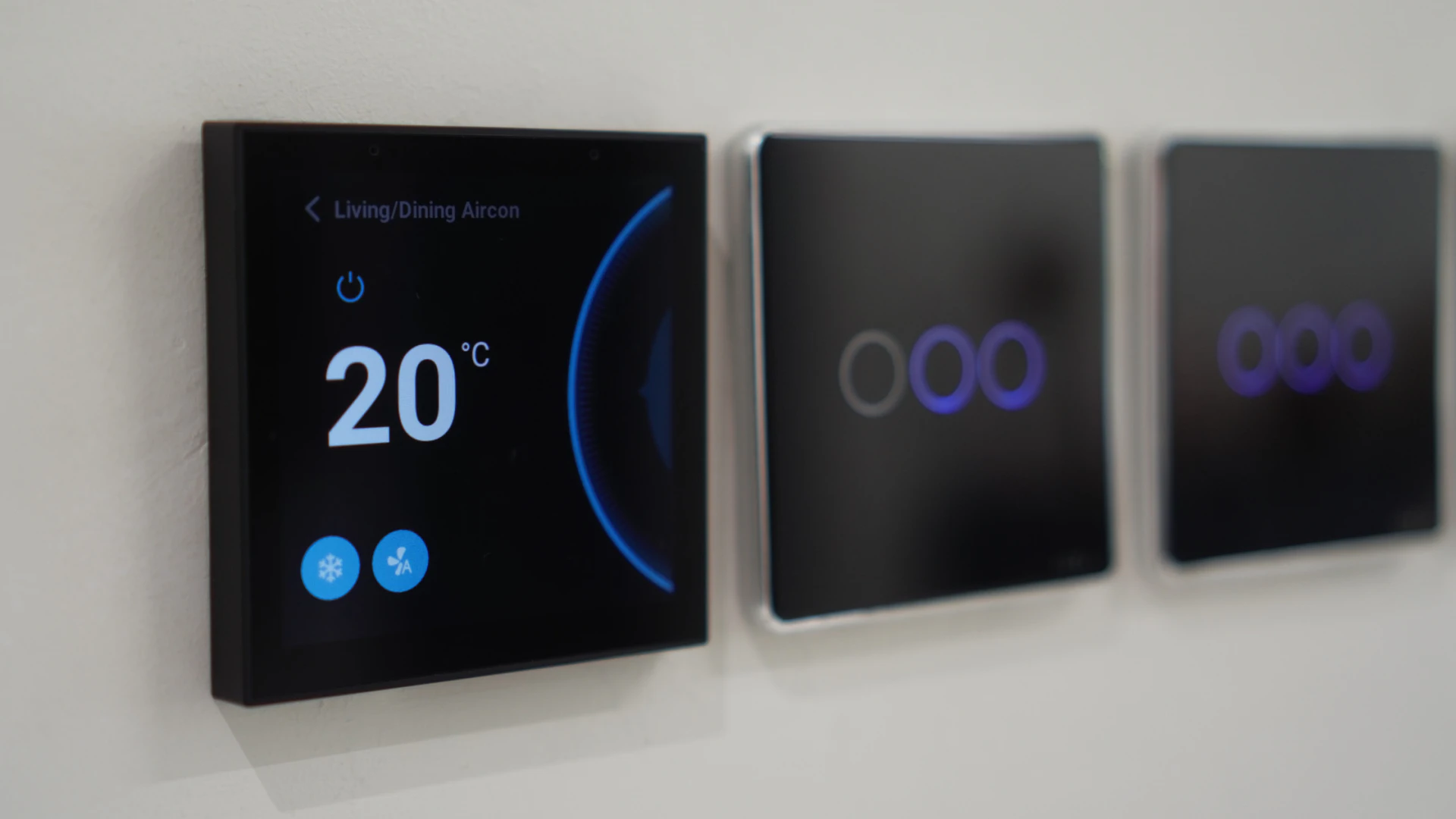
Singapore’s tropical climate requires more than traditional air conditioning. Smart systems help manage comfort while reducing environmental impact.
- Smart thermostats optimise energy use by learning your preferences.
- Automated blinds and ventilation systems balance indoor temperature with natural airflow.
- The integration of solar panels and smart meters contributes to the development of energy-efficient homes in Singapore, reducing costs while promoting sustainability.
This level of intelligent climate control ensures comfort without overconsumption, an ideal fit for modern, eco-conscious homeowners.
Advanced Security Systems
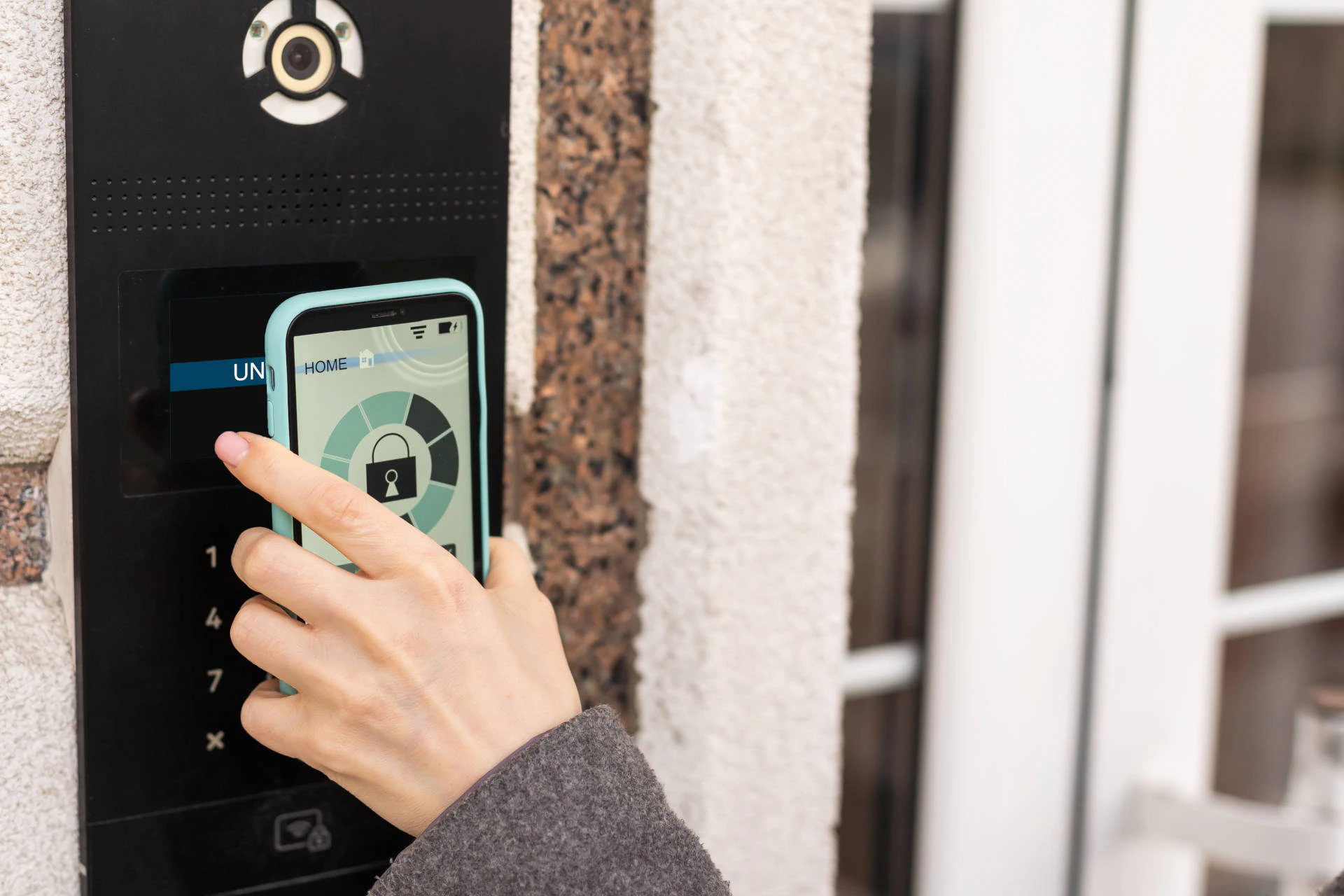
Security in landed homes needs to extend beyond locked gates. A smart home security system provides an additional layer of real-time protection and control.
- Video doorbells and AI-enabled CCTV monitor activity 24/7
- Facial recognition and geofencing provide personalised alerts and auto-locking features.
- Perimeter sensors and gate automation secure access points without human intervention
These tools provide peace of mind while allowing homeowners to monitor and respond remotely from anywhere.
Voice and App-Based Control Hubs
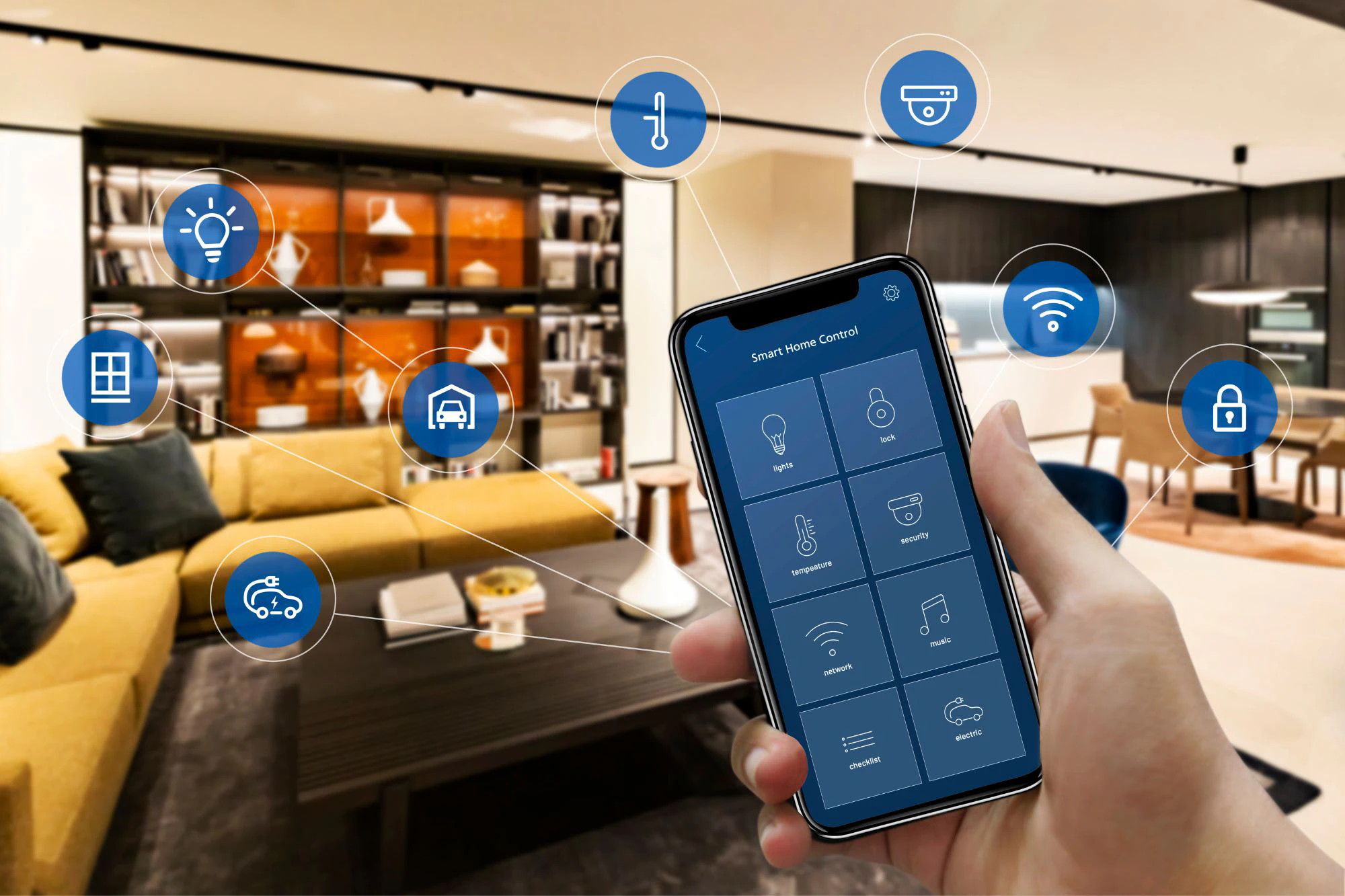
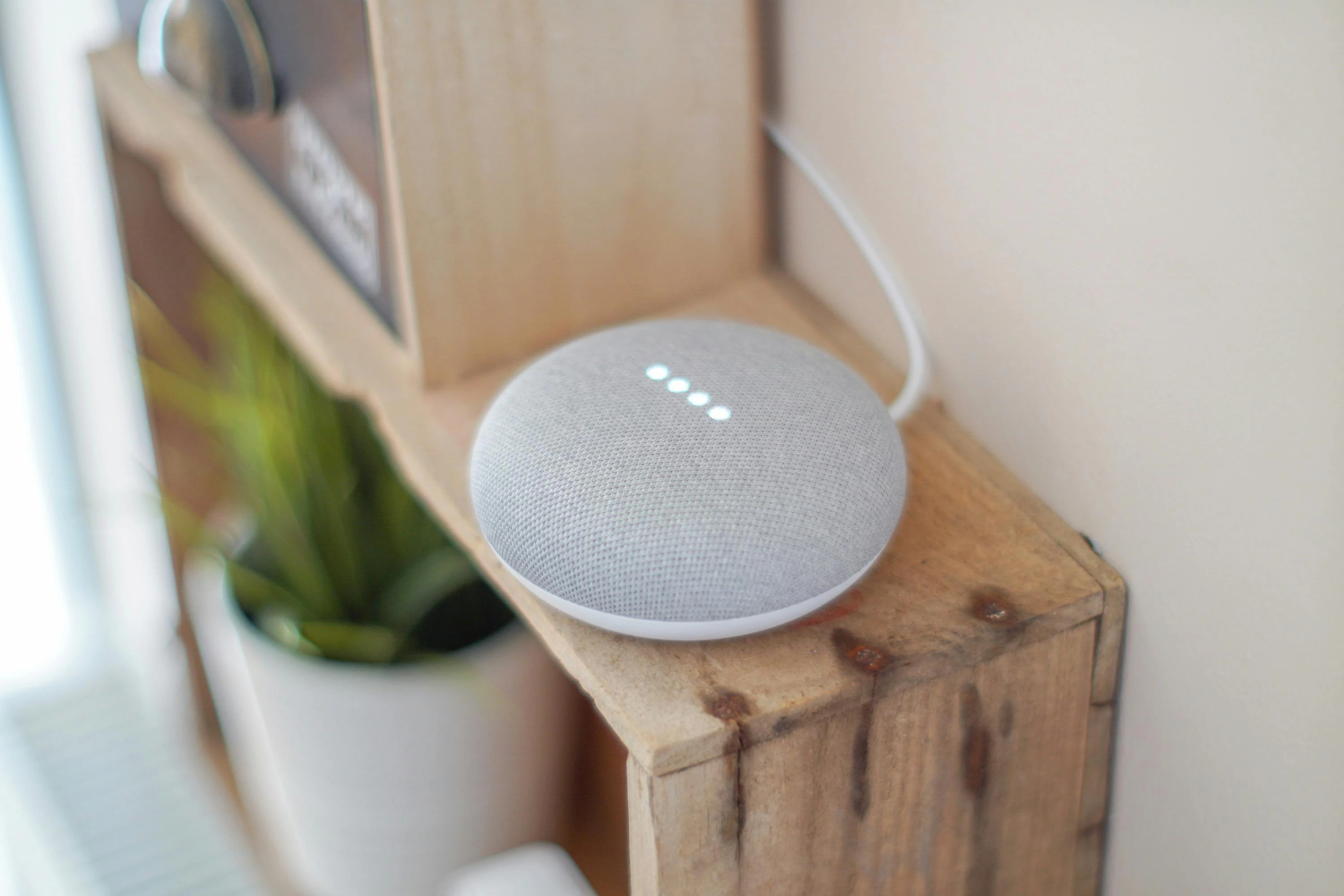
The backbone of any smart home lies in its connectivity. A robust smart home system in Singapore ensures all devices work in sync.
- Seamless compatibility with Google Home, Amazon Alexa, and Apple HomeKit
- Centralised smartphone apps enable real-time adjustments and status checks.
- Pre-set scenes and daily routines automate everything from lighting to music to climate.
For landed homeowners, the result is a lifestyle of effortless control, customisation, and future-proof convenience.
Architectural and Interior Design Considerations
Smart home integration should never feel like an afterthought. It must be embedded into the very DNA of your landed home’s architecture and interior design. In modern landed house projects in Singapore, technology and aesthetics must work in tandem to create seamless, future-ready environments that strike a balance between luxury and practicality.
Designing Around Technology
Smart homes demand thoughtful planning from the outset. The infrastructure supporting automation, like wiring, sensors, and hubs, must be discreet, efficient, and accessible.
- Concealed wiring and built-in tech hubs prevent clutter, maintaining clean sightlines.
- Dedicated server closets or control rooms ensure hardware stays organised and secure.
- Minimalist aesthetics, incorporating integrated smart devices (such as flush-mounted panels and recessed lighting), preserve architectural integrity.
This approach elevates smart design beyond its function. It becomes an integral part of the home’s identity, supporting innovation without visual disruption.
Integrating Smart Features Without Compromising Design
Many landed property renovation projects in Singapore fail to integrate smart technology effectively with the overall design vision. Avoid this by involving interior designers and architects early in the planning stage.
- Collaborate with professionals who understand both spatial dynamics and tech requirements.
- Select materials such as smart glass, switchable films, or finishes that enable sensors and devices to operate optimally.
- Ensure a balanced experience where form meets function. Tech should enhance, not compete with, design.
A modern landed house in Singapore isn’t defined by its square footage. It’s defined by how intelligently space, design, and technology work together. True innovation is invisible; it supports your lifestyle quietly, beautifully, and efficiently. This is the future of home design: intentional, integrated, and uncompromising.
Case Study: Marcus Luah’s Bukit Timah Smart Landed Home
Marcus Luah’s residential home in Bukit Timah is a good example of a smart landed home that reflects the pinnacle of luxury home design in Singapore, featured in a detailed home tour video. The house, bought in 2023, was recently fully renovated and equipped with state-of-the-art smart technology.
Key Technologies Installed
- Smart appliances include their retractable projector TV, refrigerator, and water dispenser.
- Smart lighting throughout the home enables customised scene settings for different zones.
- Automated air conditioning and smart thermostats adapt to usage patterns, enhancing both efficiency and comfort.
- Voice-enabled smart assistants integrated with lighting, climate, entertainment systems, and rotorized curtains.
Impact on Daily Living & Energy Consumption
- Household routines have become frictionless: adjusting the temperature, turning off lights, and locking doors now happen with a voice command or a tap.
- Energy consumption can be reduced, thanks to optimised HVAC control and occupancy-based lighting.
- Remote access provided peace of mind, allowing homeowners to monitor activity from anywhere, and geofenced triggers added auto-lock convenience.
Lessons from the Case Study
- Collaboration is essential: The project succeeded because designers, architects, and the smart tech team worked together from day one. The partnership enabled seamless installation, concealed wiring, and consistent design aesthetics.
- Tech must enhance, not disrupt: Automation systems were integrated subtly, behind walls, recessed, or built into furnishings, preserving the home’s minimalist and elegant ambience.
- Future scalability is key: Homeowners may have selected modular systems with upgraded wiring paths for additional smart devices, ensuring homes in Singapore are future-proof and evolve with technology.
This renovation exemplifies how luxury home design in Singapore can seamlessly blend aesthetic excellence with smart functionality, creating spaces that feel intuitive, refined, and resilient in the face of change.
Benefits of Smart Home Integration for Landed Homes
Integrating a smart home system in Singapore into landed properties is no longer just a lifestyle choice. It’s a strategic upgrade that delivers tangible benefits across comfort, cost savings, security, and long-term value.
Improved Quality of Life
Smart homes are designed to work with your lifestyle, not around it. Automated lighting, climate control, and voice-activated systems reduce friction in daily routines. Imagine arriving home to a well-lit, air-conditioned environment, all triggered before you even step inside. This convenience creates a smoother, more personalised living experience.
Greater Energy Efficiency and Cost Savings
One of the most impactful outcomes of smart integration is energy optimisation. Energy-efficient homes in Singapore benefit from technologies that learn usage patterns and minimise waste:
- Smart thermostats and climate control systems reduce unnecessary cooling
- Automated blinds maximise natural light and reduce AC usage.
- Smart lighting only turns on when needed.
Over time, these features can lower energy bills and reduce your environmental footprint without compromising comfort.
Enhanced Security and Peace of Mind
With integrated surveillance, facial recognition, and real-time mobile alerts, homeowners gain 24/7 control over their property. Smart home systems in Singapore often include geofencing, remote locking, and live monitoring, ensuring safety whether you’re at home or abroad.
Increased Property Value and Resale Potential
Smart upgrades elevate the market appeal of landed homes. Buyers today expect modern features that are scalable and future-ready. A well-automated home typically commands a higher asking price and appeals to younger, tech-savvy buyers seeking turnkey convenience.
In essence, smart home integration isn’t just about luxury. It’s about creating homes that are intelligent, responsive, and ready for tomorrow.
Challenges and Considerations to Watch Out For
While the benefits of smart home technology in Singapore are undeniable, homeowners must navigate several challenges to ensure a successful and future-ready smart home transformation, especially for landed properties where scale and complexity are higher.
Upfront Costs and Return on Investment
Smart home integration involves a substantial initial investment. High-quality devices, rewiring, and professional installation can add up costs quickly. However, it’s essential to look beyond the price tag. Long-term energy savings, enhanced security, and higher resale value often deliver strong ROI, provided the system is well-designed and future-proofed.
Compatibility Across Devices and Ecosystems
One of the most common pitfalls in home automation Singapore is piecemeal adoption. Without a unified ecosystem, homeowners face compatibility issues between lighting, HVAC, security, and entertainment systems. Choose platforms that support integration (e.g., Matter or Zigbee) and prioritise scalability from day one.
Ongoing Maintenance and Software Updates
Smart homes are digital ecosystems. Like any software-based system, they require regular updates and occasional troubleshooting. Poor maintenance can lead to system lag, security vulnerabilities, or device failures. Ensure devices receive regular firmware updates and have local support.
Engage Certified Smart Home Consultants
A successful smart home starts with expert planning. Work only with certified smart home consultants in Singapore who understand the local infrastructure, compliance standards, and future trends. Their expertise ensures seamless installation, optimal device selection, and a personalised automation strategy.
Smart homes should simplify life, not complicate it. Addressing these challenges early ensures your investment remains valuable, efficient, and adaptable for years to come.
Choosing the Right Smart Home Ecosystem in Singapore
Selecting the ideal smart home system in Singapore is crucial for creating a seamless, reliable, and future-proof living environment. With multiple platforms available, homeowners must weigh key factors to align technology with their lifestyle and long-term goals.
Comparing Ecosystems: Google, Apple, and Amazon
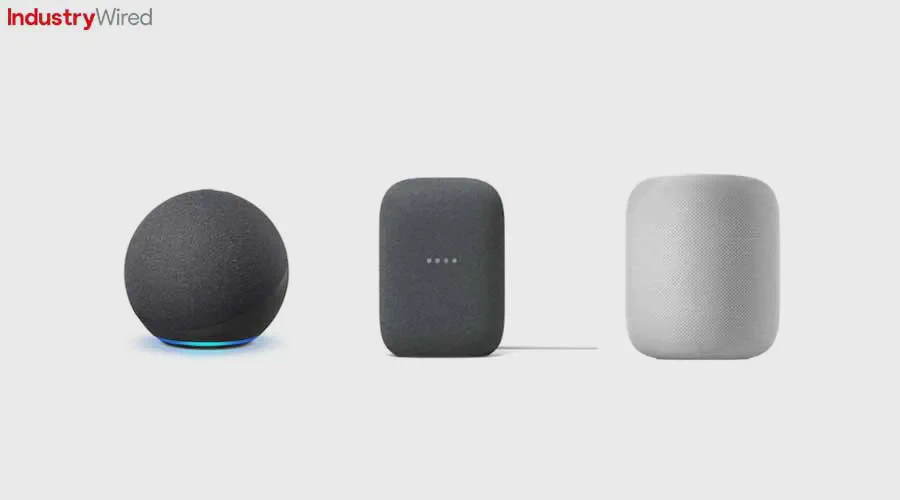
The three tech giants dominate smart home ecosystems, each offering unique strengths. For easier understanding, here is a comparison table:
| Feature | Google Home | Apple HomeKit | Amazon Alexa |
|---|---|---|---|
| Voice Assistant | Google Assistant | Siri | Alexa |
| Strengths | AI-driven voice recognition, broad device compatibility, flexible, and affordable | Strong security and privacy, seamless integration with Apple devices | Extensive device library, strong third-party support, highly customisable |
| Ideal For | Users seeking flexibility and affordability | Users are deeply invested in the Apple ecosystem | User wants extensive customisation and voice capabilities |
| Device Compatibility | Supports many third-party brands | Limited to HomeKit-certified devices | Largest number of compatible devices |
| Privacy and Security | Good, with ongoing improvements | Highest emphasis on privacy and data security | Good, but less strict than Apple |
| Ecosystem Integration | Works well with Android and Google services | Best with iPhone, iPad, Mac | Integrates well with Amazon services and shopping |
| Cost | Generally affordable devices | Devices tend to be premium-priced | Wide range of device prices |
- Google Home excels in AI-driven voice recognition and offers broad device compatibility, making it an ideal choice for users seeking flexibility and affordability.
- Apple HomeKit prioritises security and privacy, offering a tightly controlled environment with seamless integration across Apple devices, making it perfect for those deeply invested in the Apple ecosystem.
- Amazon Alexa boasts a vast device library and extensive third-party support, making it suitable for users who want extensive customisation and voice assistant capabilities.
Local Brands and Installers
Singapore boasts a growing number of certified smart home installers and local brands that specialise in customised solutions tailored to regional preferences and infrastructure. Collaborating with these experts ensures compatibility, quality installation, and compliance with local standards.
Open-Source vs. Proprietary Solutions
Open-source platforms offer flexibility and customisation but require technical expertise and can face interoperability issues. Proprietary solutions provide ease of use, reliable support, and streamlined integration, which are essential for most homeowners prioritising convenience.
Importance of Future Scalability
A scalable home automation system adapts to evolving technology. Select ecosystems and devices that support standard protocols and provide regular updates to prevent obsolescence, ensuring your smart home remains cutting-edge and efficient for years to come.
Frequently Asked Questions
What is smart home integration for landed houses in Singapore?
Smart home integration involves installing connected devices, such as smart lighting, climate control, and security systems, in landed houses in Singapore to enhance convenience, energy efficiency, and security through automated controls.
How does smart lighting benefit landed homes in Singapore?
Smart lighting offers customised schedules, motion sensors, and voice control that save energy, improve ambience, and enhance security, making it an essential feature for modern landed homes in Singapore.
What are the key smart home technologies for landed properties?
Key technologies include smart lighting systems, automated climate control, advanced security systems with video surveillance, and centralised voice or app-based control hubs tailored for landed properties.
Why is future-proofing important in landed house design?
Future-proofing ensures that a landed house can easily incorporate new technologies and adapt to lifestyle changes, protecting the homeowner’s investment and enhancing long-term property value.
What challenges should I consider before installing a smart home system in Singapore?
Consider upfront costs, device compatibility, ongoing maintenance, and working with certified local consultants to ensure smooth installation and reliable operation of your smart home system.