Table of Content
Building a landed property is a dream for many homeowners, but in Singapore, the landed house construction cost can vary widely depending on design choices, approvals, and execution. Setting a clear budget from the start is essential to prevent overspending and to maintain peace of mind throughout the process. Drawing on our experience as a landed house contractor in Singapore, we know that careful financial planning is the foundation of every successful build.
Through this guide, we’ll walk you through each stage of budgeting, from design fees to contingencies, to help you plan your project with confidence.
Key Takeaways
- Every landed home project in Singapore involves more than just the cost of materials — approvals, consultants’ fees, and permits must be factored in.
- The choice of architect and contractor directly impacts both cost and timeline, with design complexity often driving expenses higher.
- Construction is not paid in one lump sum; instead, payments are made progressively at each stage, which must be planned into cash flow.
- A contingency fund of at least 10–15% of the total landed house construction cost is critical to manage unexpected variations.
- Partnering with an experienced landed house contractor in Singapore ensures compliance with regulations and better cost control.
Understanding the Full Scope of Landed House Construction Cost
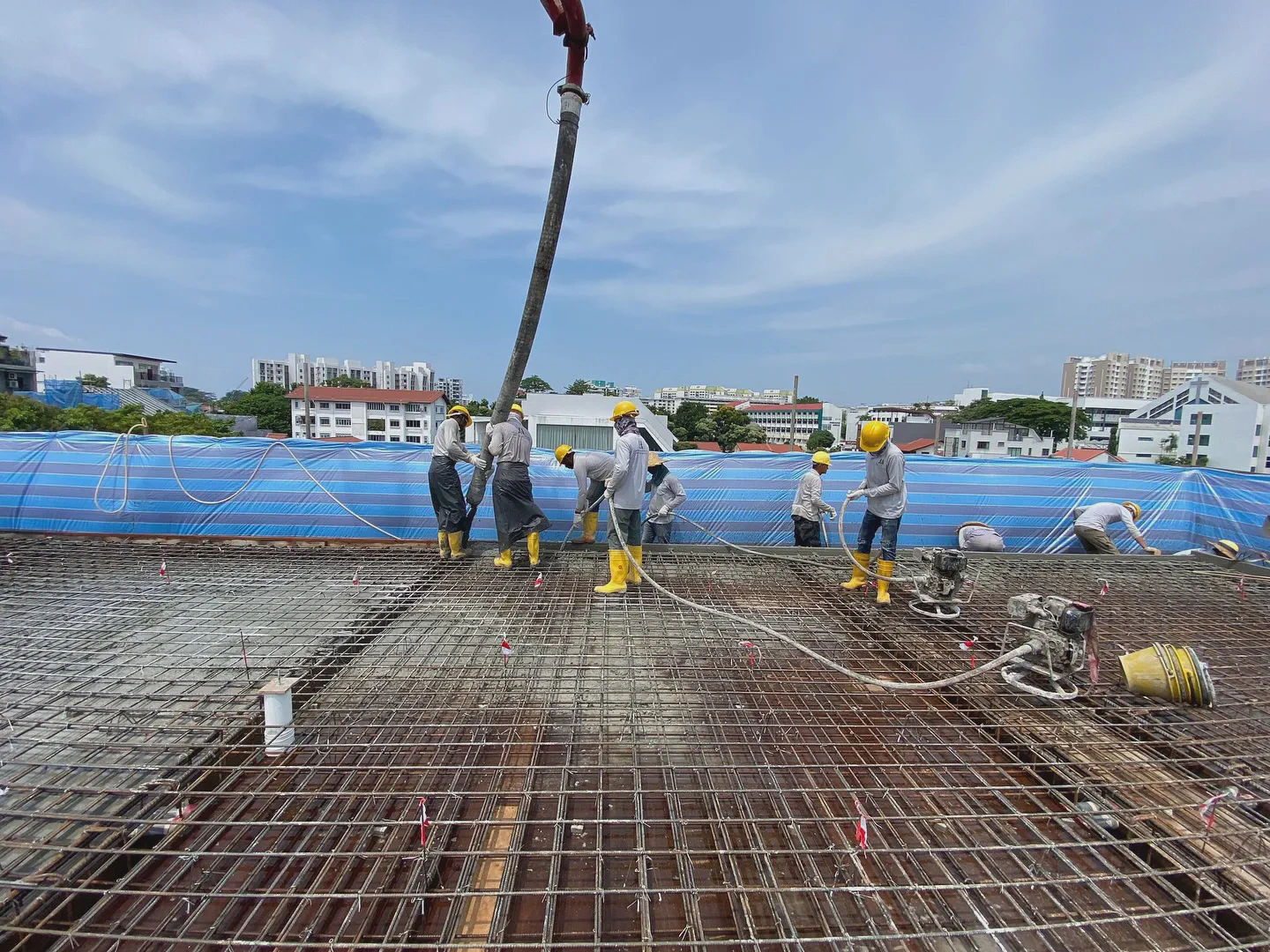
Budgeting for a landed home in Singapore goes far beyond estimating how much concrete, steel, or wood will be required. It is a multi-layered process that involves both upfront and hidden costs.
Some of the most overlooked items include design consultancy, permits from the Building and Construction Authority (BCA), drainage approvals, utility connections, and even landscaping. Homeowners who only account for the “hard” build often find themselves caught off guard when these additional requirements surface.
Working with PCE Build ensures that all these elements are considered from the start, so your budget covers the entire journey.
Initial Planning and Design Costs

Architectural and Design Fees
Your first major financial commitment is to the architect or designer. Architectural fees usually range between 8–12% of the total construction cost, depending on the complexity of the project. For high-end luxury builds, these fees may be higher due to the need for bespoke detailing and advanced design studies.
Good architects not only create beautiful designs but also optimise layouts for efficiency, which can lead to long-term savings on energy use and space management.
Consultancy and Professional Services
In addition to architectural input, you will need:
- Structural engineers to ensure compliance with BCA codes.
- Mechanical & electrical (M&E) consultants to design efficient systems.
- Quantity surveyors who provide detailed cost estimates and track spending.
These professional services typically account for another 5–8% of your budget.
Approvals and Permits
Before a single brick is laid, approvals from authorities must be secured. In Singapore, landed homes are heavily regulated, and the type of approval you require depends on whether the project is a new build, an A&A (Additions and Alterations), or a full reconstruction.
The main authorities involved include:
- Building and Construction Authority (BCA): Structural approvals, piling permits, and compliance with building codes.
- Urban Redevelopment Authority (URA): Zoning approvals, gross floor area (GFA) calculations, and height restrictions.
- Public Utilities Board (PUB): Drainage clearance and water supply approvals.
- National Environment Agency (NEA): Environmental health clearances (e.g., noise control, waste disposal).
- Land Transport Authority (LTA): Approvals if your build affects road access, kerbs, or driveways.
Costs to Expect
While fees vary, homeowners should budget around SGD 10,000–25,000 for submission and approval charges. This includes:
- Plan submission and application fees: Typically SGD 5,000–10,000.
- Authority charges for drainage, road works, or special clearances: Another SGD 5,000–10,000.
- Contingency for amendments or resubmissions: 5–10% of estimated approval costs.
Timelines
Approval timelines are usually 3–6 months, depending on project complexity. Special cases (e.g., conservation properties or unusual designs) may take longer. Delays at this stage push back construction, so it’s vital to account for both time and money.
Landed House Construction Stages and Costs
Breaking down your budget according to construction stages helps you visualise how money will flow throughout the project.
| Construction Stage | Description | Approx. Budget Allocation |
|---|---|---|
| Site Preparation & Foundation | Includes soil testing, piling, and excavation. | 10–15% |
| Structural Works | Building of columns, beams, and load-bearing walls. | 25–30% |
| Roofing & External Walls | Roof installation, facade finishes, and external cladding. | 10–15% |
| Mechanical & Electrical | Electrical wiring, plumbing, air-conditioning, and fire safety systems. | 15–20% |
| Interior Works | Flooring, painting, carpentry, and built-in fittings. | 20–25% |
| External Works & Landscaping | Driveways, gates, drainage, and garden landscaping. | 5–10% |
This phased payment approach also allows homeowners to better manage financing, as progress claims are tied to each milestone. These figures are indicative and can shift depending on the complexity of your design, the materials chosen, and market conditions. For an accurate breakdown of your landed house construction cost in Singapore, it is always best to consult directly with an experienced builder who can provide a tailored cost plan.
Materials, Finishes, and Personalisation
Standard vs Premium Materials
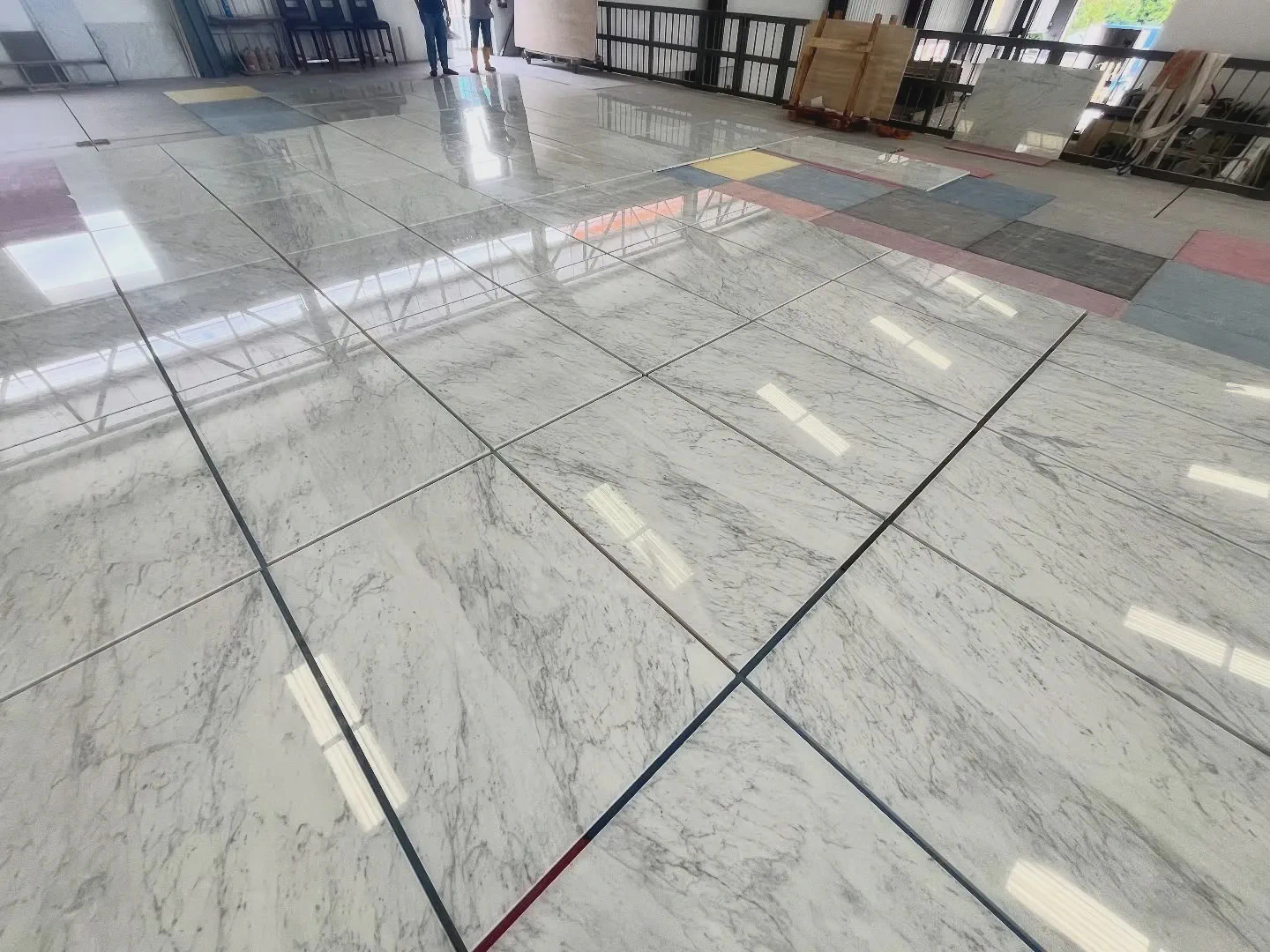
The choice between standard and premium finishes significantly affects the landed house construction cost in Singapore. For example, Italian marble flooring can cost up to three times more than local granite. Flooring options alone show how wide the range can be:
- Ceramic or porcelain tiles: S$20–30 per m²
- Vinyl flooring:
- Sheets: S$5–15 per m²
- Higher-end planks: S$20–50 per m²
- Parquet flooring:
- Engineered options: S$30–50 per m²
- Solid or exotic timbers: S$80–200+ per m² (depending on quality)
Customised cabinets designed for specific collections, such as watches or handbags, is more expensive than modular options. These personalised touches can double or even triple the cost compared to standard fittings, which is why homeowners often set aside a separate budget just for joinery.
Energy-Efficient and Sustainable Choices
Increasingly, homeowners are opting for green building solutions. A small-to-moderate rooftop solar system for a landed home (~10 kWp) generally costs S$14,500–19,500, while larger premium systems can reach S$20,000–36,000+ depending on the panels, roof layout, and inverter type.
Although these installations raise upfront expenditure, they typically reduce long-term energy bills and add resale appeal. Annual maintenance usually runs at around 1–1.5% of the system’s initial cost.
Other sustainable investments include insulated glazing to improve cooling efficiency and rainwater harvesting systems, both of which increase initial outlay but lead to savings over time.
Durability and Maintenance Considerations
Beyond aesthetics, homeowners should weigh the long-term durability of their materials. Hardwood timber may look beautiful but requires more maintenance compared to engineered wood. Similarly, natural stone surfaces are timeless but can stain or chip if not sealed properly, leading to higher upkeep costs over time.
Locally Sourced vs Imported Materials
Imported finishes — such as Italian tiles or German kitchen fittings — are often perceived as more prestigious but can come with shipping delays, import duties, and higher overall costs. Locally sourced alternatives may be more budget-friendly and easier to replace if repairs are required. Balancing both options can help optimise your budget without compromising quality.
Customisation and Bespoke Features
Personalisation is one of the strongest drivers of cost escalation. Bespoke wardrobes, hand-painted wall finishes, or custom light fixtures all add character but can significantly increase timelines and expenses. Setting aside a specific portion of your budget for these “personal touches” ensures they enhance your home without derailing the project financially.
Emerging Trends in Finishes
Trends such as matte black fittings, microcement finishes, and biophilic design elements (e.g., indoor greenery walls) are becoming popular in Singapore landed homes. While stylish, they may carry premium pricing as they are less common and sometimes require specialist installation.
Managing Hidden and Variable Costs
Even with the most detailed planning, there are always variable costs that can catch homeowners by surprise. These often push the overall landed house construction cost in Singapore beyond the original estimate if they are not accounted for in advance.
Utility connection and upgrading of power supply
Many landed properties require an upgrade in electrical load, especially if the design includes features like central air-conditioning, a lift, or a swimming pool. This can cost anywhere from S$5,000 to S$20,000, depending on the capacity required and whether additional substations or underground cabling are involved.
Soil conditions requiring additional piling
While initial soil investigations provide some guidance, unexpected conditions such as soft clay or high groundwater levels can mean additional piling or foundation works are required. This can add 5–10% to the total construction budget, particularly in areas with variable ground conditions.
Interior changes requested mid-construction
One of the most common cost escalators comes from homeowners changing their minds during the build — whether it’s upgrading finishes, adding storage, or reconfiguring layouts. Even seemingly minor adjustments can add several thousand dollars when labour, materials, and project delays are considered.
Import duties and shipping for bespoke finishes
Sourcing premium materials from overseas may involve freight charges, import duties, and longer lead times. These costs can easily increase material budgets by 10–15%, especially if shipping schedules cause delays in installation.
Because of these uncertainties, it is strongly recommended to set aside a contingency fund of 10–15% of the total landed house construction cost in Singapore. This ensures you are financially prepared for unexpected developments without having to compromise on design quality or construction standards.
Sample Computation of Landed House Construction Cost in Singapore
To give homeowners a clearer picture, here’s a sample budget breakdown for building a 3,500 sq ft luxurious landed house. These figures are indicative, as actual costs depend on design complexity, material choices, and site conditions.
| Cost Component | Estimated Amount (SGD) | Notes |
|---|---|---|
| Planning & Design Fees | 150,000 – 200,000 | Includes architect, structural engineer, M&E consultants, and quantity surveyor (approx. 8–12% of total cost). |
| Approvals & Permits | 15,000 – 25,000 | Covers BCA, URA, PUB, NEA, and LTA submissions and government charges. |
| Site Preparation & Foundation | 200,000 – 250,000 | Soil testing, piling, excavation. |
| Structural Works | 500,000 – 600,000 | Columns, beams, load-bearing walls. |
| Roofing & External Walls | 200,000 – 250,000 | Roofing system, facade finishes, cladding. |
| Mechanical & Electrical | 300,000 – 350,000 | Electrical wiring, plumbing, AC systems, fire safety. |
| Interior Works | 400,000 – 500,000 | Flooring, painting, carpentry, built-ins. |
| External Works & Landscaping | 100,000 – 150,000 | Driveways, gates, drainage, basic landscaping. |
| Sustainable Features | 20,000 – 40,000 | Example: solar PV installation (10–12 kWp system). |
| Hidden/Variable Costs | 100,000 – 150,000 | Utility upgrades, soil issues, mid-construction changes, import duties. |
| Contingency (10–15%) | 200,000 – 300,000 | Buffer for unexpected costs. |
Estimated Total Construction Cost: S$2.2M – S$2.8M
This sample illustrates how quickly costs add up when building a landed house in Singapore. Interior works and structural elements usually form the bulk of the budget, while permits, sustainability features, and contingencies play a smaller but still important role.
Financing Your Build
Cash vs Bank Loan
Some homeowners prefer to fund construction through cash savings, while others rely on bank loans. Banks in Singapore typically finance up to 75% of construction costs, subject to the Total Debt Servicing Ratio (TDSR) framework.
Payment Schedule
Construction loans are disbursed progressively in line with the contractor’s claims. This means careful alignment of your loan schedule with project milestones is crucial to avoid cash flow bottlenecks.
Setting Realistic Expectations for Landed House Construction Cost in Singapore
Building your dream home is as much about discipline as it is about design. By breaking down costs across design, approvals, build stages, and contingencies, you will be better equipped to set a realistic budget.
Homeowners who choose to work with PCE Build, benefit from clear cost control, transparent communication, and compliance with regulatory requirements. If you are planning your project, engaging with our team early ensures smoother execution from start to finish.
Frequently Asked Questions
What is the average construction time for a landed house in Singapore?
On average, it takes 12–18 months to complete a landed property, depending on complexity, size, and approval timelines.
Can I live in the house during a major rebuild?
No, for safety and regulatory reasons, most major reconstruction projects require homeowners to vacate until works are complete.
How much should I budget for landscaping?
Landscaping can range from SGD 30,000 for a simple lawn and driveway to SGD 150,000 or more for customised features such as koi ponds, outdoor kitchens, or vertical gardens.
Do I need insurance during construction?
Yes, construction all-risk insurance is strongly recommended to protect against accidents, property damage, and unforeseen events.
Is it cheaper to renovate or rebuild a landed house?
Renovations may cost less upfront, but rebuilding often provides better long-term value since it allows for full modernisation and compliance with the latest codes.